

 CN
CN
CN
CN
The story of VICTORIA is rooted in entrepreneurial spirit, shaped by a passion for riding and a sense of refined dynamism. It reflects a riding philosophy influenced by the precision associated with German engineering, guided by the concept “VICTORIA IN YOUR LIFE.” This idea expresses a belief in progress and personal breakthroughs through every ride, connecting everyday mobility with a clear sense of purpose.
With origins dating back to the early development of the motorcycle industry, VICTORIA has built a long-standing presence in its category. Milestones such as early recognition at the Nuremberg Motor Show, the K.R. series of the 1920s, and early performance achievements reflect its historical significance. Over time, the company has evolved while maintaining continuity with its heritage, adapting to modern expectations without losing its core identity.
Positioned between classic aesthetics and modern functionality, VICTORIA emphasizes balance rather than extremes. VICTORIA motorcycles support both daily commuting and leisure riding, combining individuality, retro-inspired design, and practical versatility. Focus is placed on making well-engineered products accessible to a wider audience, aligning usability with a distinct product character.
Design remains central to this approach. Integrating retro styling with modern technologies such as ABS and traction control systems (TCS), each model reflects careful material selection and engineering discipline, resulting in motorcycles that are both reliable and visually coherent. From development to rider experience, VICTORIA represents a considered approach to mobility, where design, function, and purpose come together to support every journey with confidence.
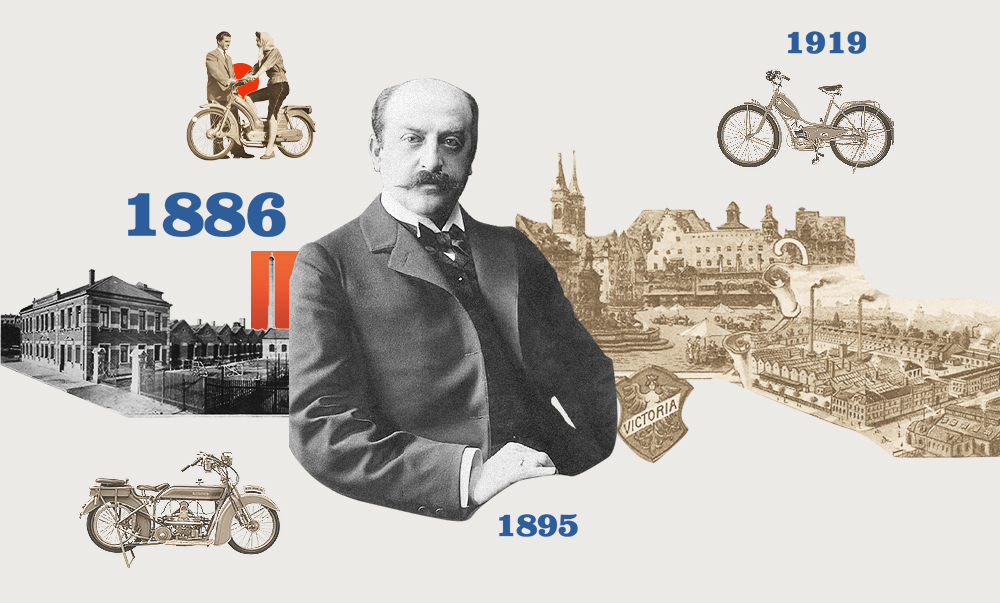
In 1885, a pedal bicycle club was established in Nuremberg, a city where cycling was rapidly developing. In 1886, club member Max Ottenstein and merchant Max Frankenburger founded the Frankenburger & Ottenstein Unlimited Company.
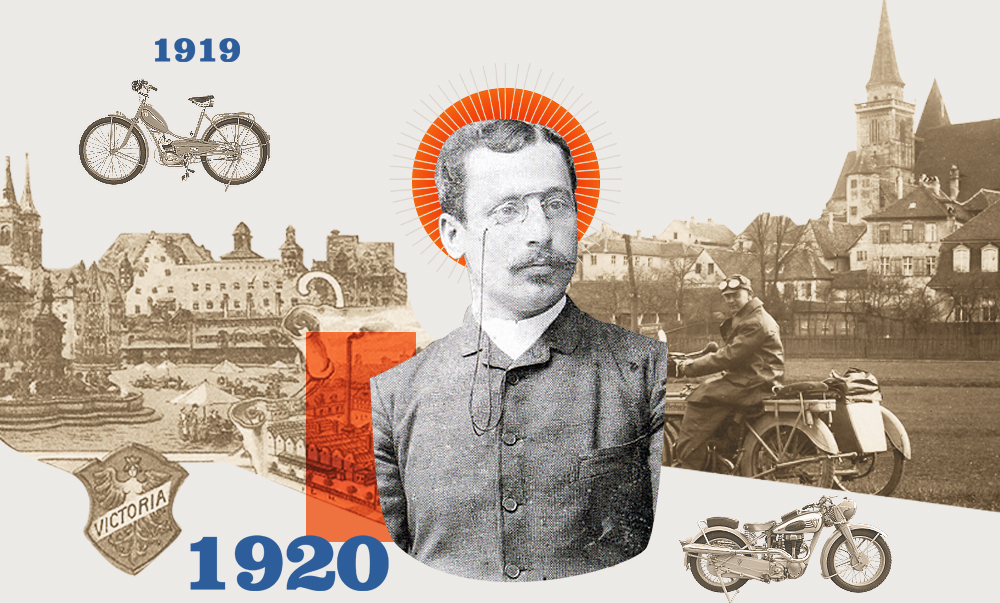
In 1920, Dr. Rudolf Ottenstein, son of Max Ottenstein, joined the company’s board of directors and played a key role in its technical development. During this period, the K.R. series of motorcycles was introduced, becoming an important part of the brand’s early evolution.
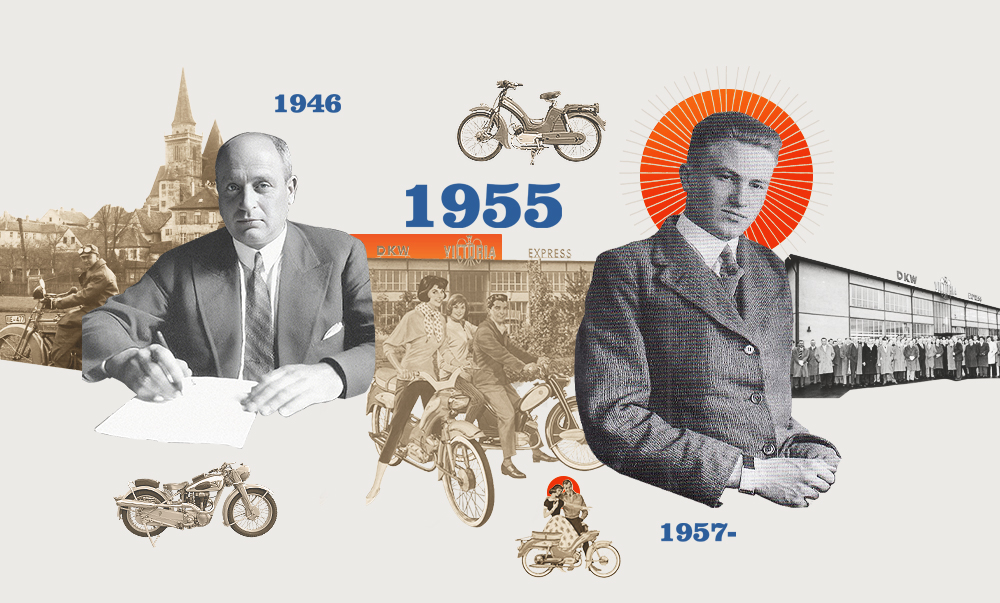
From 1946 to 1953, VICTORIA produced approximately 150,000 Vicky motorcycles and 225,000 bicycles. These were exported to around 60 countries, with Vicky mopeds accounting for a significant share of total exports.
In 1954, VICTORIA introduced a new generation of drive technology with models such as the KR21 “Swing” and the “Peggy” scooter. Norbert Riedel’s swingarm-mounted powertrain represented a notable step forward in motorcycle engineering.
In 1957, VICTORIA became part of the Zwickau Alliance, alongside DKW and Express.
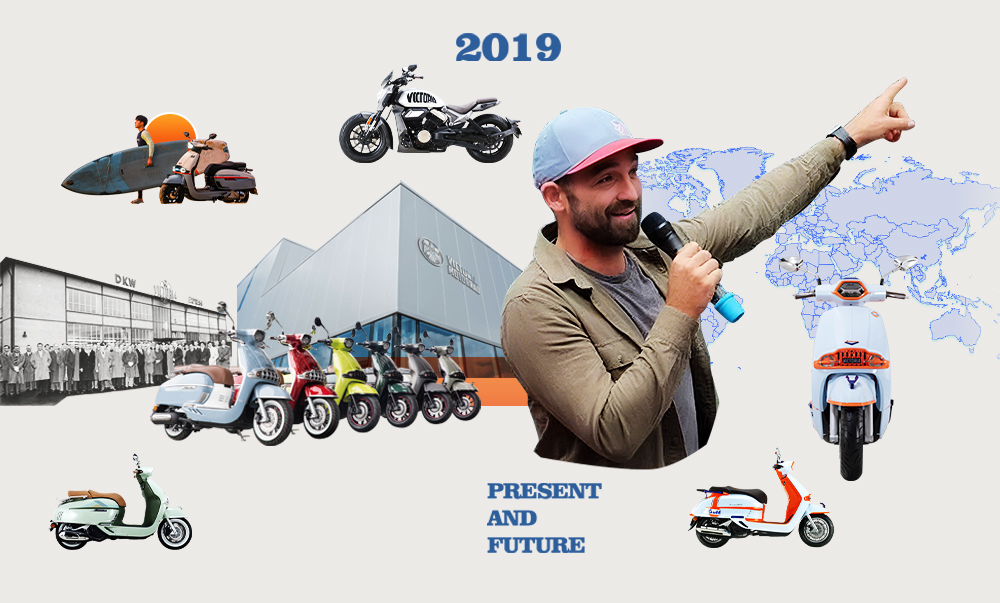
In 2018, VICTORIA entered a new phase of international development, reinforcing its position within the global motorcycle landscape.
In September 2019, at the Chongqing China International Motorcycle Expo, the VICTORIA Sixties 300i was unveiled as a key addition to its retro-inspired lineup. Mr. Niels Peter Jensen attended the event to present the model, highlighting the brand’s continued focus on design, heritage, and modern functionality.
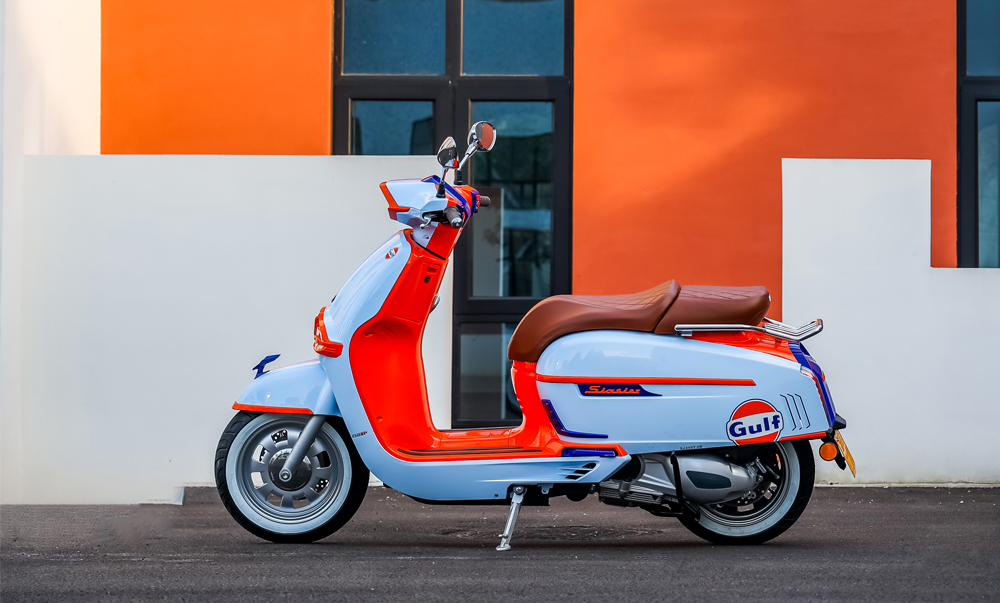
May 28, 2021: VICTORIA Sixties 150i was officially launched at the Beijing International Motorcycle Expo in China.
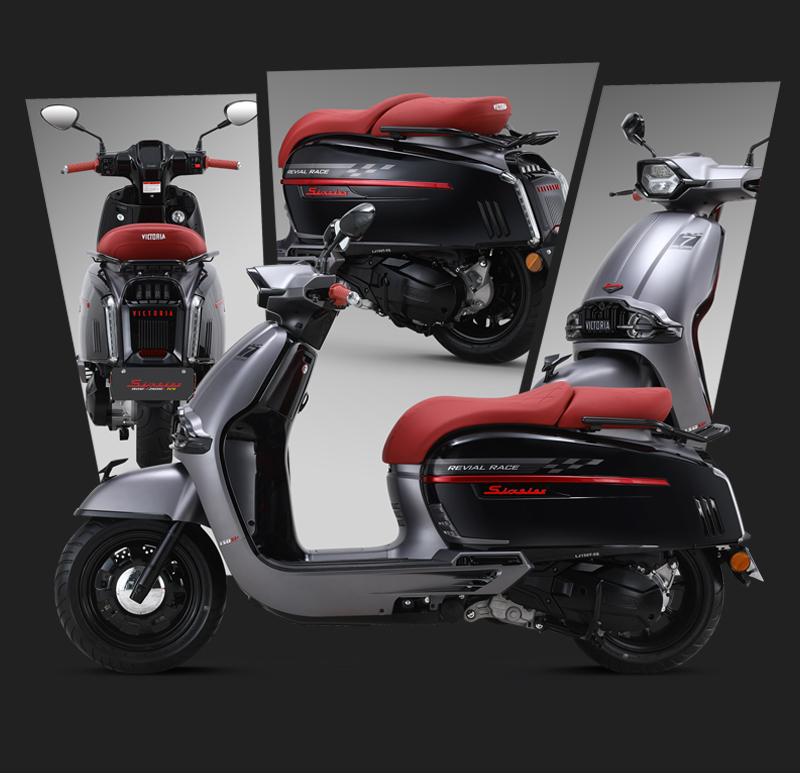
November 2, 2022: A milestone date for the VICTORIA brand, as the all-new Sixties 150Si was unveiled and went on sale at the Chongqing China International Motorcycle Expo.
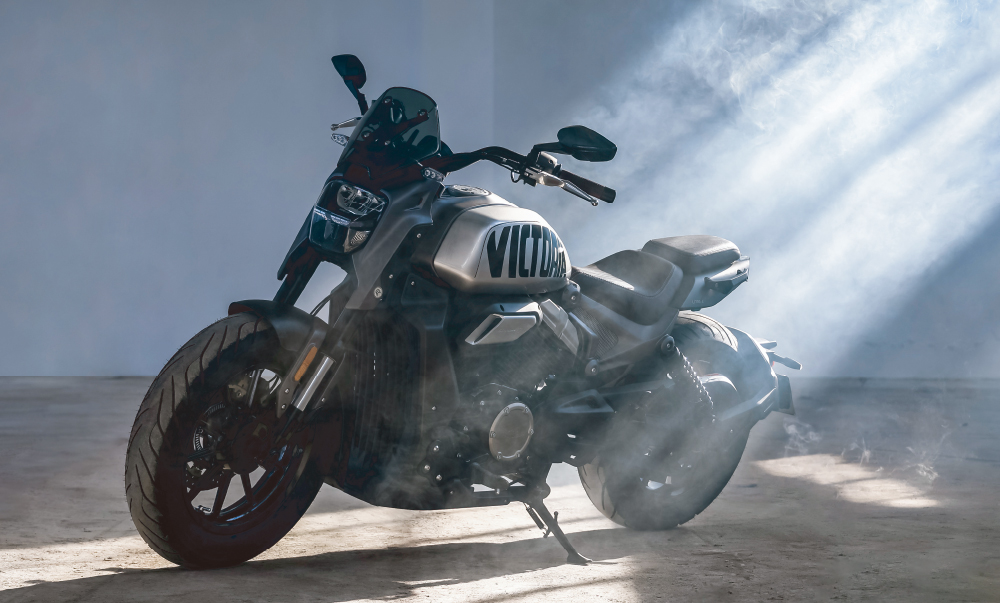
At EICMA 2024, VICTORIA’s first classic cruiser model, the Simplee V70, was unveiled, marking its entry into global markets.
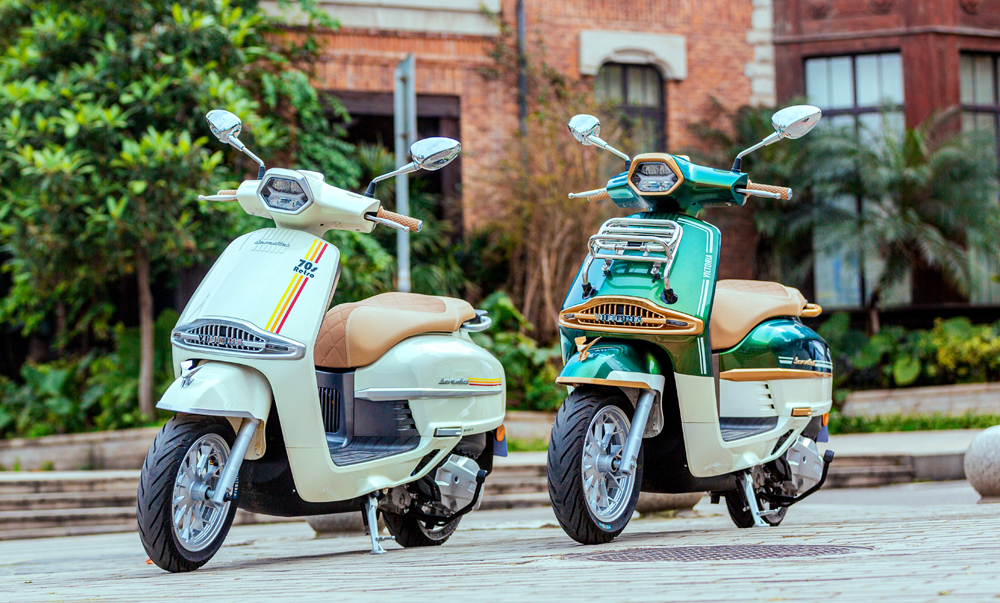
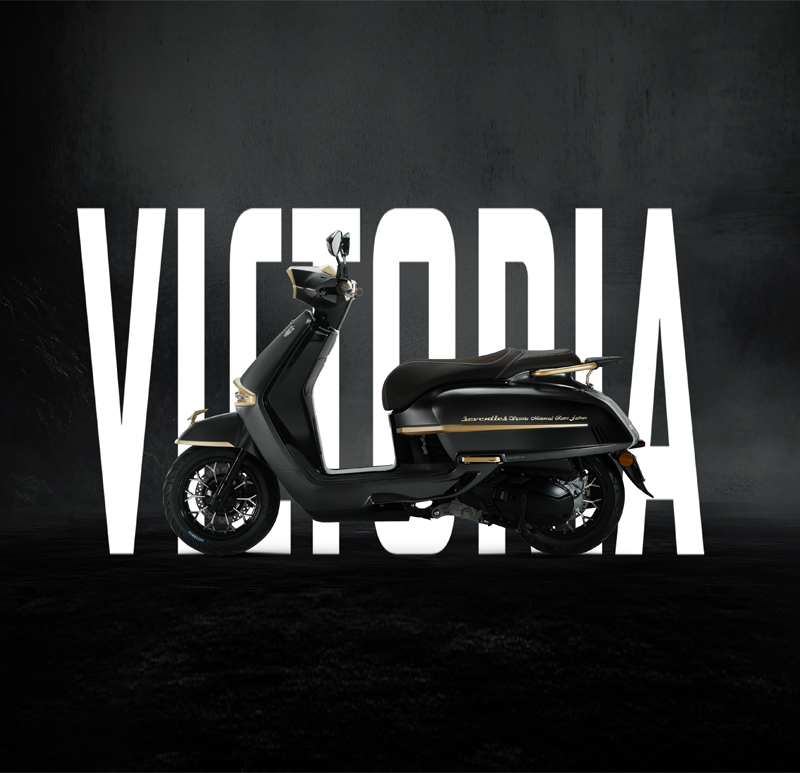
On April 10, 2025, at the China International Motorcycle Exhibition, VICTORIA held its Spring 2025 New Product Launch Event, featuring the global debut of the all-new Seventies 150i.
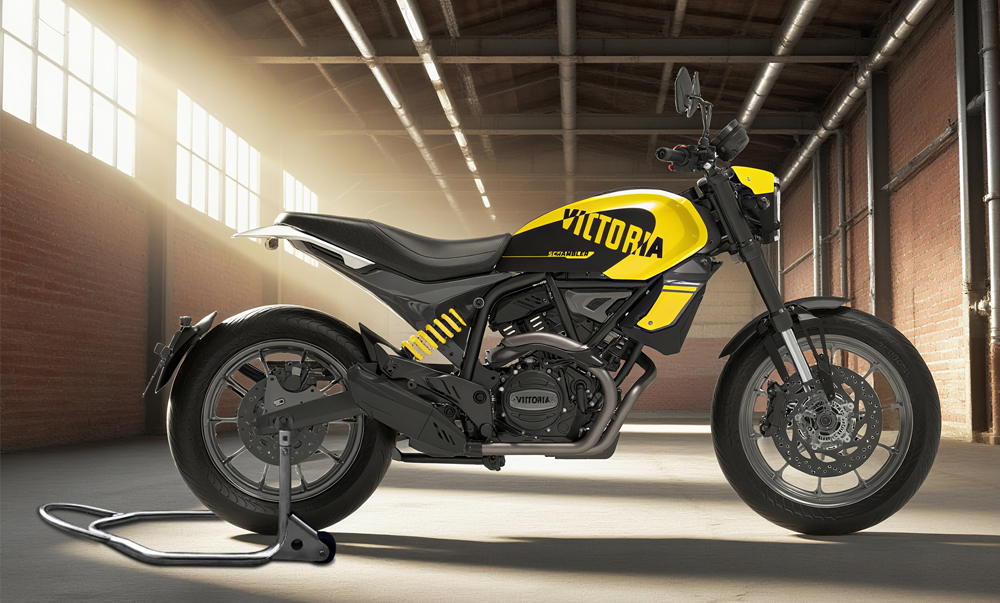
At the October 2025 Canton Fair, VICTORIA Motorrad officially unveiled its all-new model, the V25, marking its global debut. The V25 is a street bike designed with a focus on lightweight design, combining agility with a compact form to support urban commuting and short-distance riding. Its lightweight structure contributes to agile and responsive handling. The introduction of this model reflects the brand’s continued focus on sporty, youth-oriented products.